Built around early oncology execution
We focus on first-wave sites, PI workload, activation risk, and peer-trial competition rather than stopping at market summaries or institutional prestige.
Oncology FIH execution intelligence
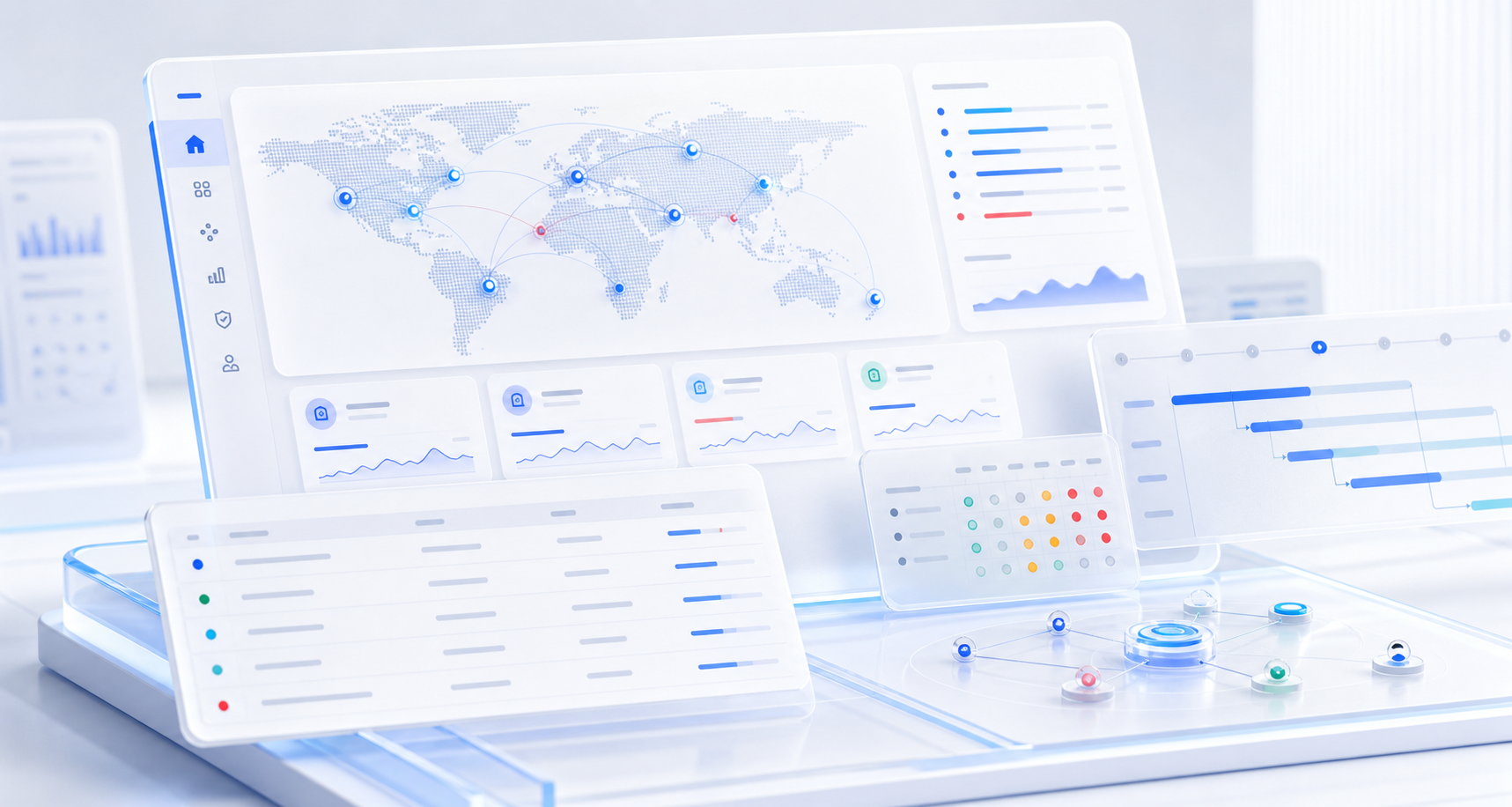
OncoLattice Bio helps oncology sponsors pressure-test site strategy, PI capacity, competitor movement, and global development risk before IND-to-FPI decisions become expensive.
Why sponsors lose time
FIH delays rarely come from the oncology average. They come from the wrong site mix, overloaded investigators, weak mechanism fit, blind spots in competitor movement, and global development assumptions that were never pressure-tested early enough.
The answer should not come only from hospital reputation or generic feasibility forms. We compare candidate sites against matched mechanism, indication, and design contexts, then review activation history, early oncology exposure, patient access, peer-trial density, and regional execution risk.
Client output: a diligence priority view that separates sites into first-wave diligence, review as backup, and pause for the initial plan, with evidence and next questions attached.
Academic reputation matters, but it is not the same as current execution capacity. We review recent trial load, adjacent mechanism overlap, team capacity signals, activation behavior, and public recruitment activity to identify overload risk and emerging operational performers.
Client output: PI load flags, alternative investigator candidates, and diligence questions to validate with sites, CROs, or local experts.
When peer trials cluster around the same countries, cities, or centers, patient competition can slow enrollment before the trial starts. We map peer footprints by mechanism, indication, sponsor, country, city, and site to identify crowded regions and underused execution paths.
Client output: competitor footprint map, patient-competition risk notes, and region/site recommendations for first-wave planning.
The first site plan is also a future evidence story. We test whether the country mix is too concentrated, whether the patient population can be explained, whether MRCT or bridging logic may be needed, and which FDA-facing questions should be prepared early.
Client output: US/global development pathway memo, country-mix risk flags, and the clinical or regulatory questions that should be prepared before commitments harden.
Why us
Not another generic feasibility report, and not a raw database your team has to interpret alone. We translate public oncology trial evidence, site and PI execution signals, competitor movement, and global development risk into decision-ready material for leadership.
We focus on first-wave sites, PI workload, activation risk, and peer-trial competition rather than stopping at market summaries or institutional prestige.
ADCs, bispecifics, KRAS assets, cell therapies, and small molecules should not share one site logic. The analysis is built around the asset, indication, and protocol context.
Site selection is not isolated. We review peer footprints, patient competition, country mix, and whether the plan can support a credible US or global development story.
Commercial delivery runs through OncoLattice Bio / AAI Inc. Apex AI references remain governed and separated. Formal work proceeds under CDA/NDA and appropriate authorization.
Where to go next
Detailed methodology, evidence, solution scope, and governance context are separated into inner pages so sponsors, pharma BD teams, and investors can move by decision need.
 Capability
See how site activation, investigator load, mechanism fit, competitor density, and China FIH landscape signals enter the decision layer.
Explore the platform Use case
Review the three commercial scenarios and the concrete materials a sponsor receives.
View solutions Perspective
Review public conference signals, research metadata, and oncology development perspectives before starting a conversation.
Read insights Trust
TrustReview the OncoLattice Bio, AAI Inc., Apex AI ecosystem, and governance boundaries behind commercial deployment.
Read about usWe help sponsors pressure-test the execution path before site lists, competitor assumptions, and global development commitments harden.